
Two countries. More than 5% of everyone alive.
Pakistan and Bangladesh together are home to more than 425 million people — roughly one in every twenty people on earth. Both are among the most densely settled nations anywhere, and both absorb disasters at a scale few countries face. Understanding the ground is what explains the gap in care, and why equipment placed here goes so far.
Pakistan
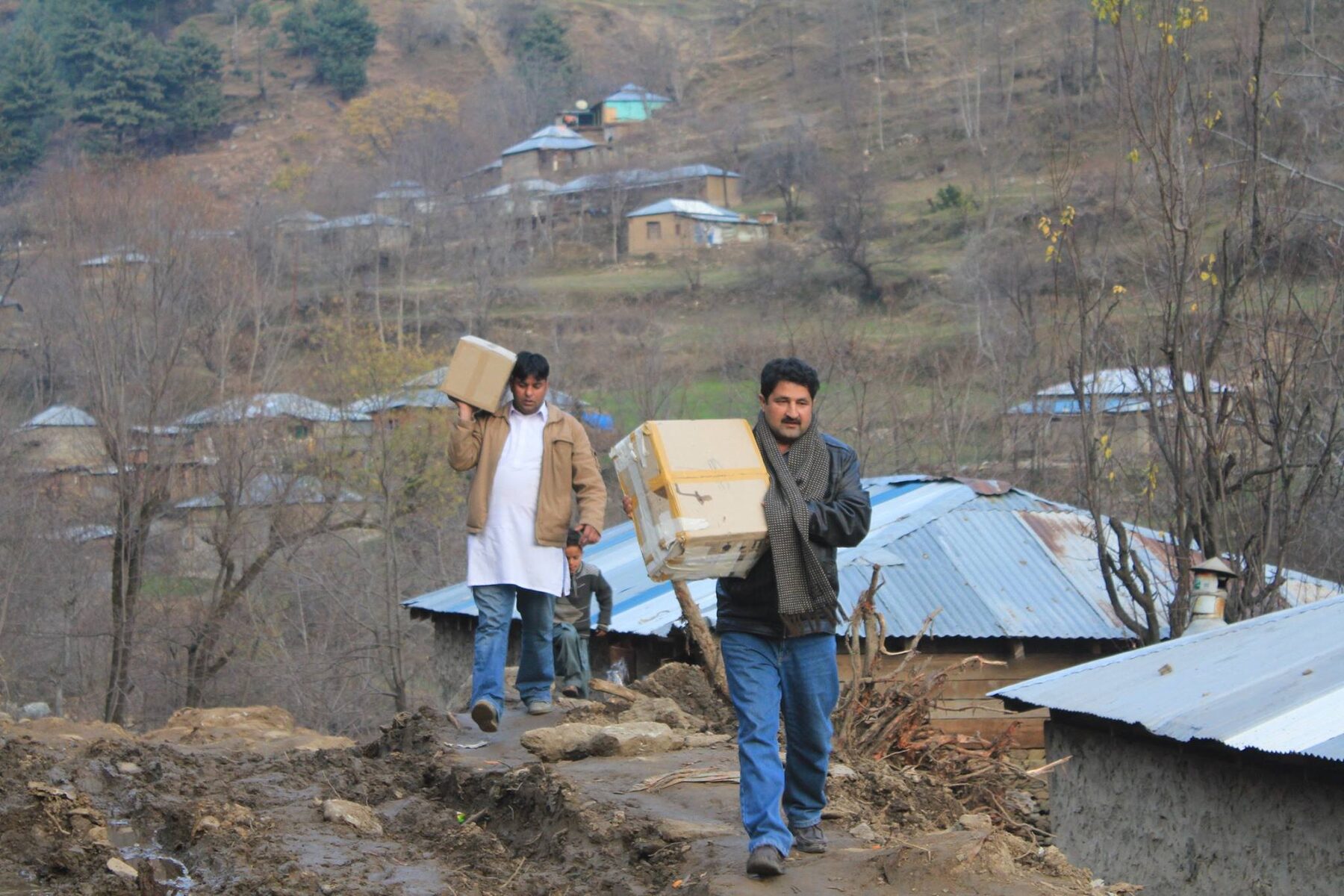
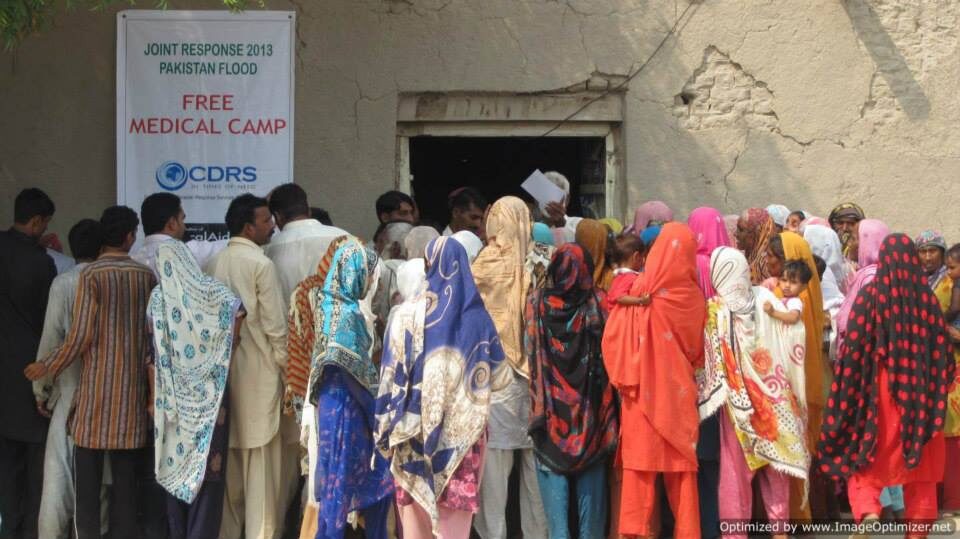
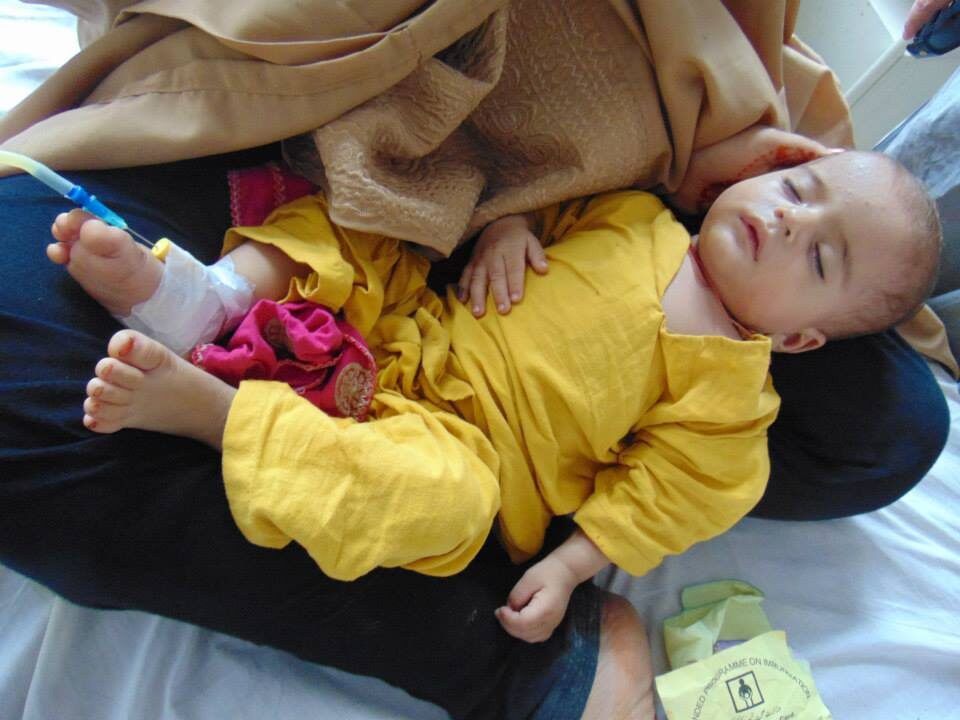
Pakistan is larger than Texas. It spans glaciated 26,000-foot peaks in the north and coastal desert in the south, and 70% of its people live rurally — while only 22% of its physicians do. It has absorbed the 2005 earthquake that killed roughly 87,000 people, the 2010 floods, and the 2022 floods that affected 33 million people and left 6.4 million needing shelter. It also hosts one of the world's largest long-term refugee populations.
Bangladesh
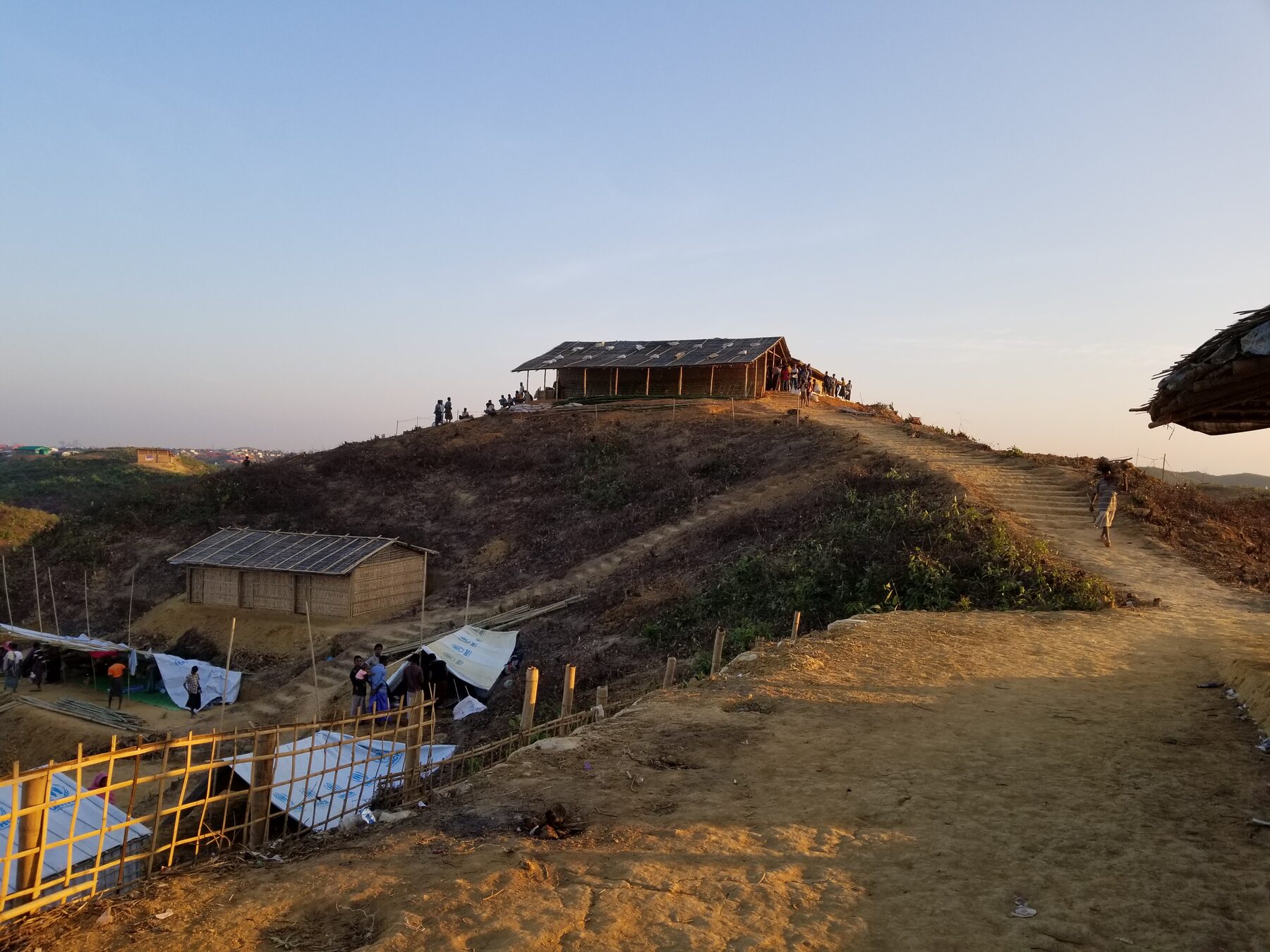
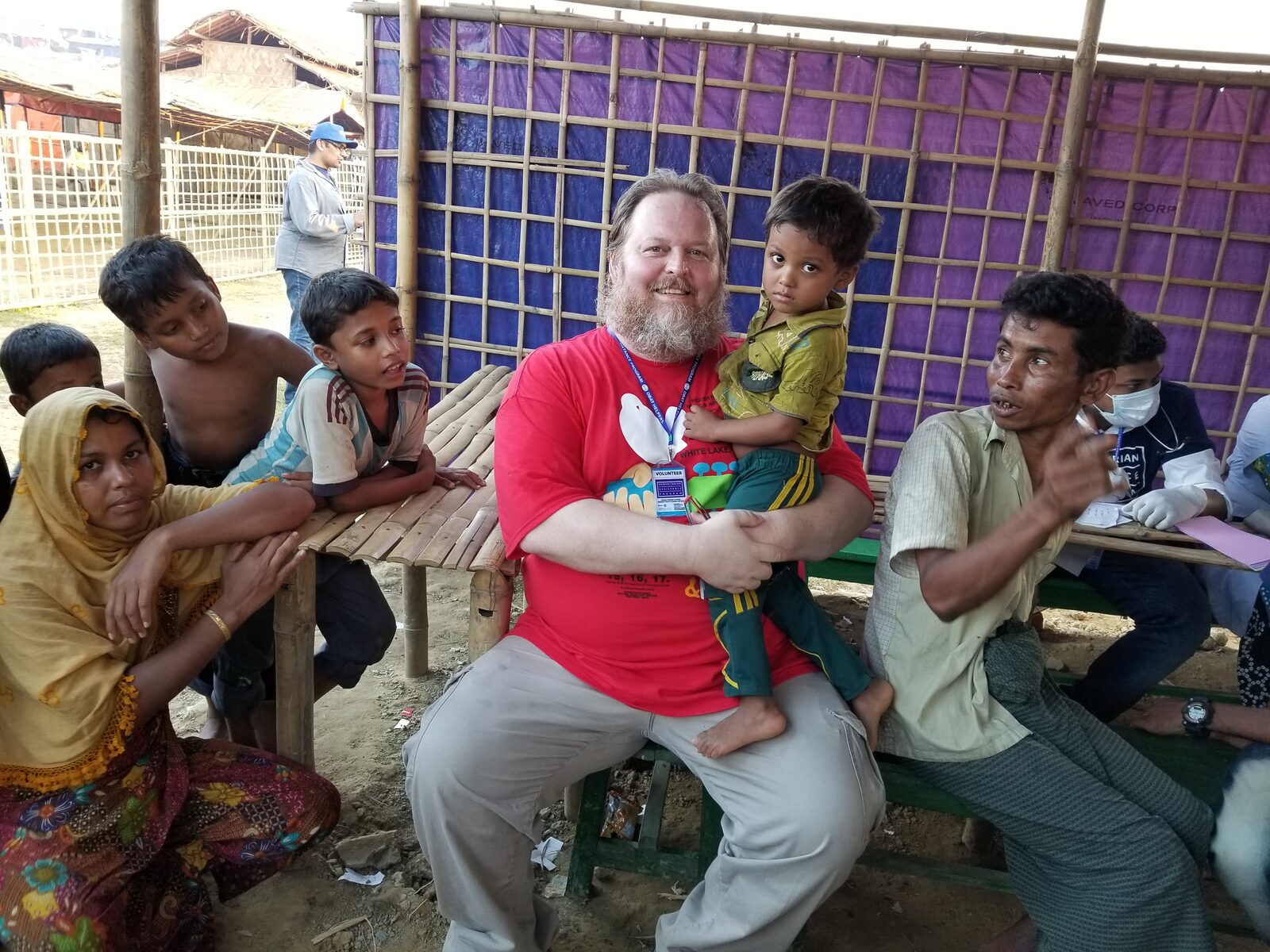
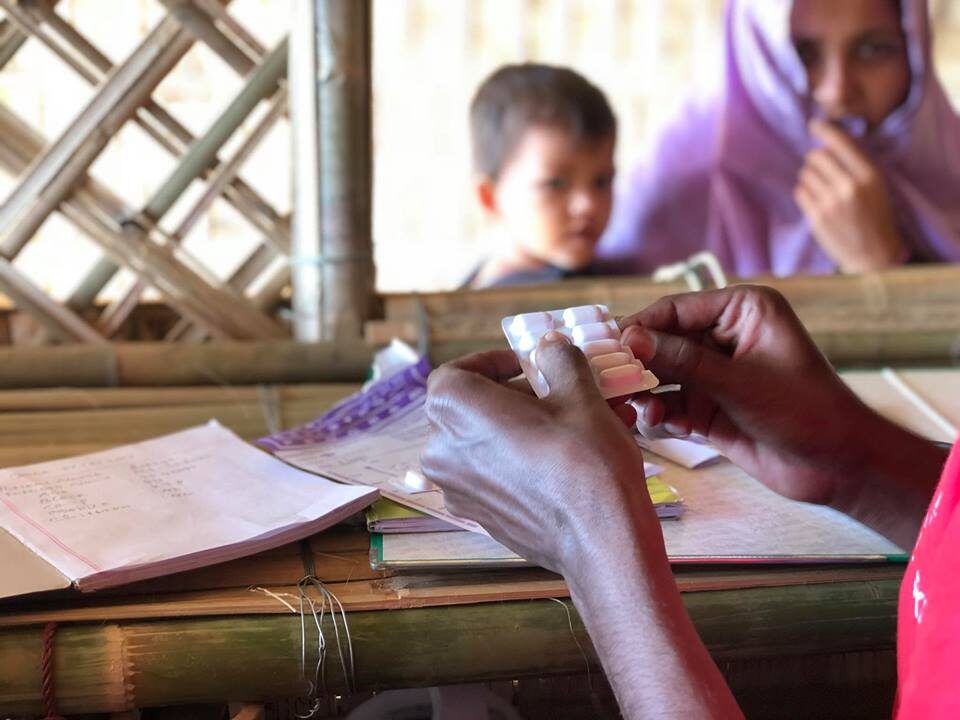
Bangladesh holds 173 million people in an area the size of Illinois — a low-lying river delta where monsoon, cyclone and flood are annual rather than exceptional. Cox's Bazar hosts roughly 900,000 Rohingya refugees in the largest refugee settlement in the world, on deforested hillsides that fail every monsoon.
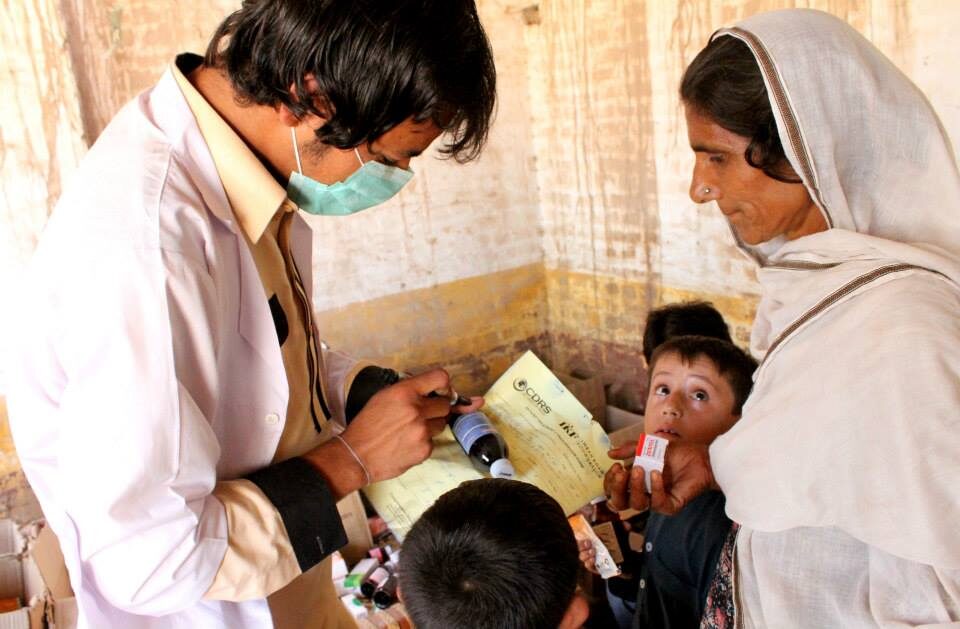 CDRS field teams at a mobile medical camp
 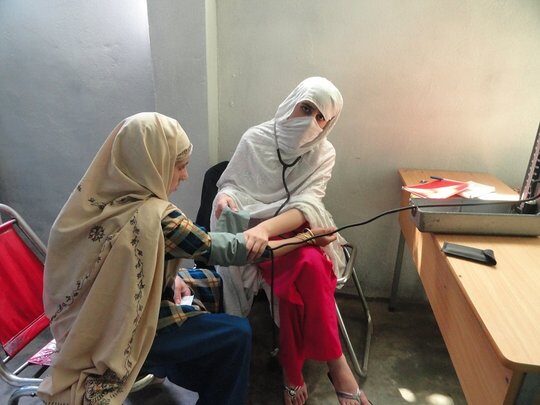 A community health setting in the CDRS network
 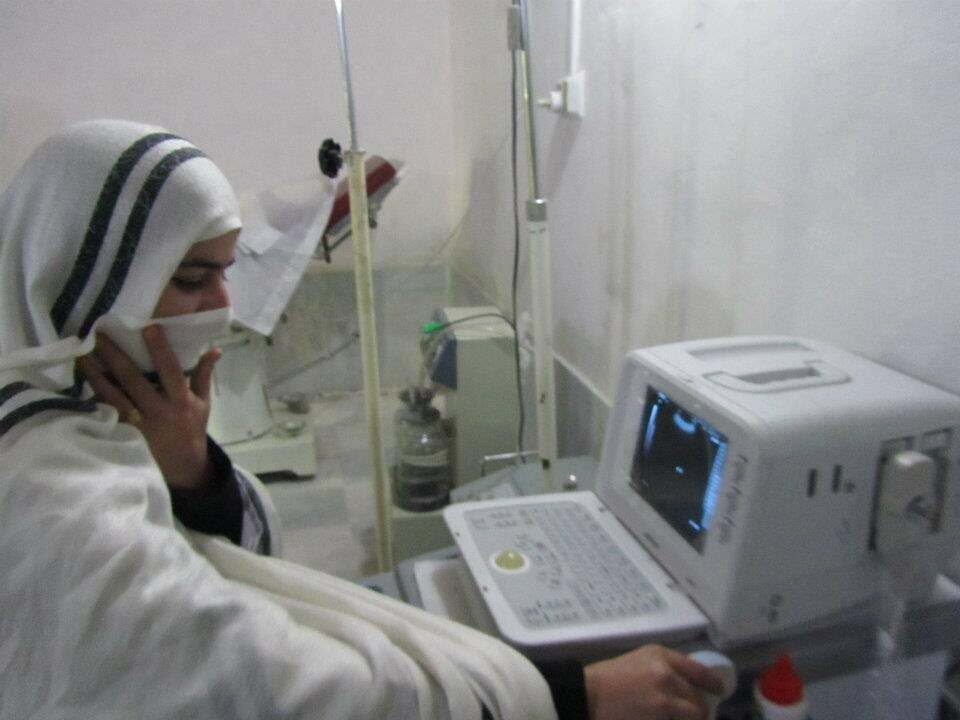 A CDRS partner facility
 Other targeted geographies
Pakistan and Bangladesh are where our facilities, partnerships and logistics are deepest — but they are not the limit of the need. CDRS has delivered medical missions and equipment across three continents, and several additional geographies are under active evaluation for rehabilitation equipment placement.
We name a country publicly only once three conditions are met: a documented rehabilitation shortfall, an accountable local clinical partner, and the logistics capacity to receive, install and maintain donated equipment. Partners and health ministries interested in an eligibility assessment are welcome to contact us.
Vast populations, thin health systems, and almost no rehabilitation.
Scale and geography are why the rehabilitation gap in these countries is among the widest anywhere — and why a single donated therapeutic unit can serve a queue that never shortens.
See the rehabilitation program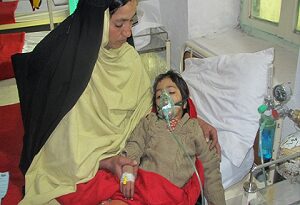
Data sources
- Pakistan 2023 Census; World Bank population and land area data.
- UNHCR — 2022 Pakistan monsoon floods, 33 million people affected, 6.4 million needing shelter.
- UN and humanitarian sector reporting — Rohingya refugee population, Cox’s Bazar.
- A Commentary on Telerehabilitation Services in Pakistan (2017) — rural population and physician distribution.
- World Bank / WHO Global Health Observatory — health system indicators.